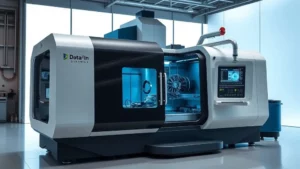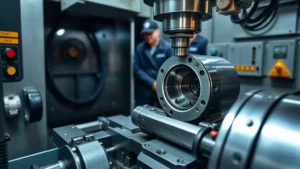
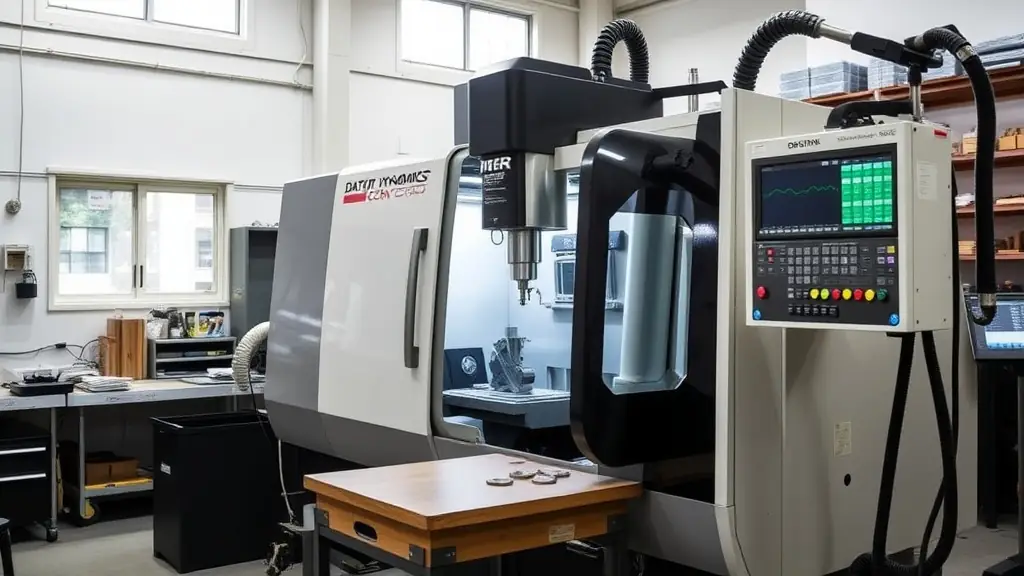
CNC machining has become a cornerstone of the automotive industry, enabling manufacturers to produce complex components with unparalleled accuracy. As vehicles become more sophisticated, the demand for precision-engineered parts has surged, making CNC technology essential. This evolution not only enhances the performance of vehicles but also contributes to safety and reliability. With advancements in software and machinery, the future of CNC machining looks promising, paving the way for innovative automotive designs.
One of the key benefits of CNC machining in the automotive sector is its ability to reduce production time while maintaining high-quality standards. Traditional manufacturing methods often involve lengthy processes that can lead to inconsistencies and errors. In contrast, CNC machines operate with programmed precision, allowing for rapid prototyping and mass production without sacrificing quality. This efficiency translates to cost savings for manufacturers and ultimately benefits consumers through more affordable vehicles.
Moreover, the integration of smart technologies and automation in CNC machining is set to transform the automotive landscape further. With the rise of electric and autonomous vehicles, manufacturers are increasingly relying on CNC machining to create lightweight and durable components. As we look ahead, the synergy between CNC technology and automotive innovation will continue to drive the industry forward, ensuring that manufacturers can meet the evolving demands of consumers and regulatory standards.